
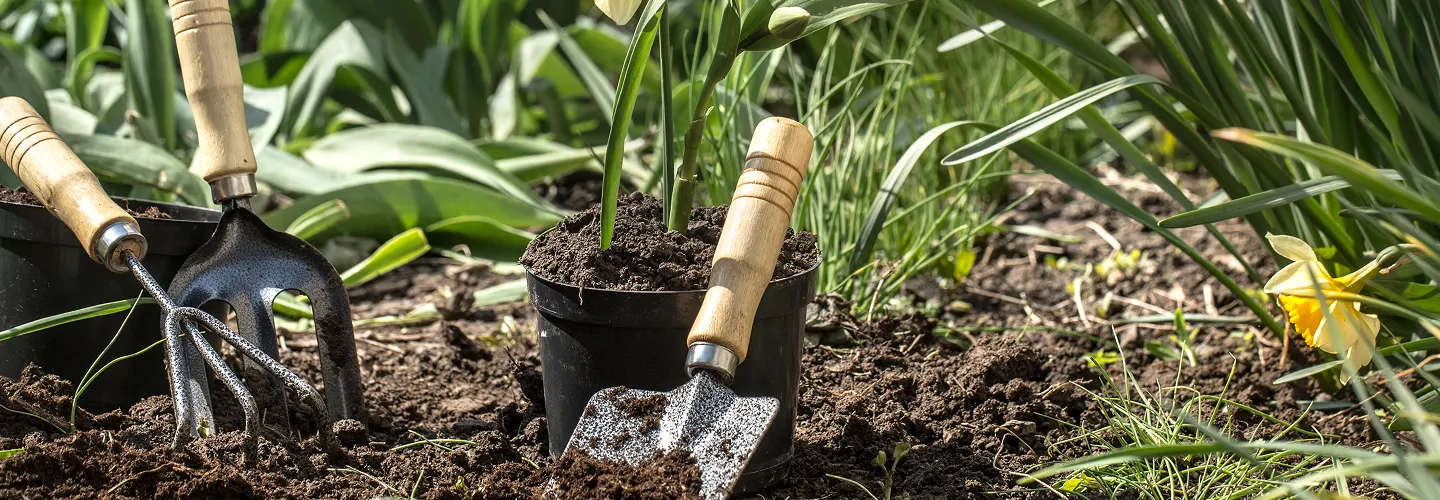
Gilbert Flower Bed Maintenance Services
Choose our Flower Bed Maintenance for expert care that keeps your garden blooming beautifully all year long—enjoy lush, weed-free beds and professional attention tailored to your landscape’s unique needs.
Get a Free QuoteOur Gilbert Landscaping & Yard Care Services
When to Schedule Flower Bed Maintenance in Gilbert, Arizona – Seasonal Guide
In Gilbert, Arizona, timing your flower bed maintenance is crucial for vibrant, healthy landscapes. The region’s unique Sonoran Desert climate—with its hot summers, mild winters, and monsoon season—means that the best times for maintenance are typically early spring (late February to April) and late fall (October to early December). These windows allow you to prepare beds before the intense summer heat or after the monsoon rains, ensuring plants establish strong roots and thrive throughout the year.
Local factors such as the proximity to the Riparian Preserve at Water Ranch or neighborhoods like Agritopia and Val Vista Lakes can influence your maintenance schedule. Areas with more shade coverage or clay-heavy soils may require different approaches than those with sandy, well-draining soils. Additionally, understanding Gilbert’s average last frost date—usually in early February—helps prevent premature planting or pruning. For more information on local environmental guidelines, visit the Town of Sudbury’s resource page.
Local Factors to Consider for Flower Bed Maintenance in Gilbert
- Tree density and shade coverage in your yard
- Soil type (clay, sand, or loam) and drainage
- Proximity to water features or flood-prone areas
- Seasonal precipitation and monsoon patterns
- Municipal watering restrictions and HOA guidelines
- Neighborhood microclimates (e.g., near the SanTan Village or Freestone Park)
- Risk of late frost or early heat waves
Benefits of Flower Bed Maintenance in Gilbert
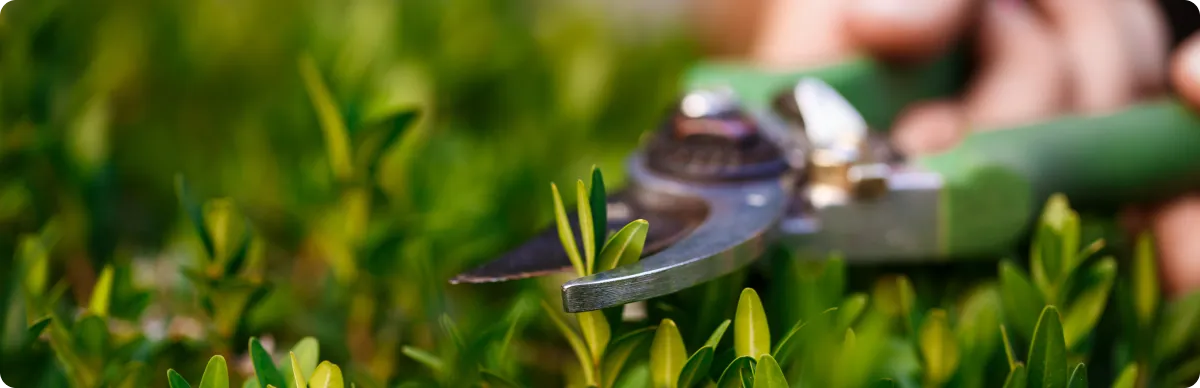
Enhanced Curb Appeal
Weed and Pest Prevention
Healthier Plant Growth
Seasonal Color Management
Professional Expertise
Time and Effort Savings
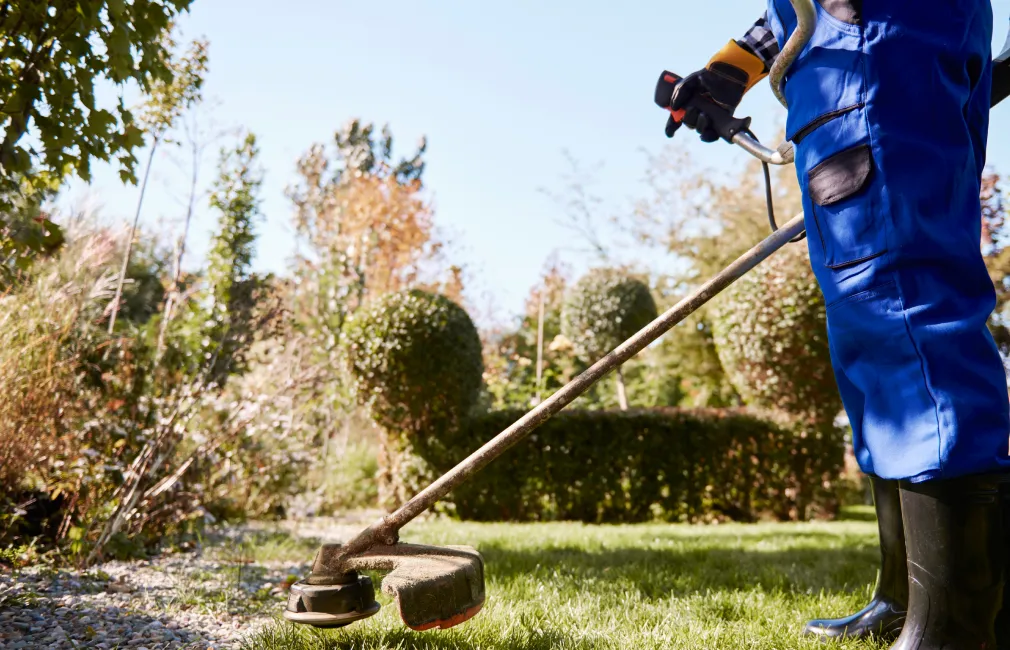
Gilbert Flower Bed Maintenance Types

Seasonal Flower Planting
-
Weed Control Services
-
Mulching and Soil Conditioning
-
Pruning and Deadheading
-
Fertilization Programs
-
Pest and Disease Management
-
Irrigation System Maintenance
Our Flower Bed Maintenance Process
Site Evaluation
Weed Removal
Soil Preparation
Plant Care
Mulching
Why Choose Gilbert Landscape Services
-
Gilbert Homeowners Trust Us
-
Expert Lawn Maintenance
-
Competitive Pricing
-
Professional Team
-
Satisfaction Guarantee
-
Personalized Service
-
Reliable Scheduling
Coordinating Flower Bed Maintenance with Gilbert's Municipal Programs and Services
Flower bed maintenance in Gilbert involves more than routine plant care; it intersects with municipal green waste disposal, stormwater protection, and neighborhood code compliance. The Town of Gilbert manages organic debris collection through its Public Works Department, and residents and property managers should verify current rules for curbside green waste pickup before placing bed trimmings, spent annuals, or pruned material at the curb. Accumulated flower bed debris left near storm drain inlets or retention basins can obstruct drainage infrastructure, particularly during monsoon season. Properties adjacent to public parks or rights-of-way should coordinate landscape waste handling to avoid code enforcement issues. The Gilbert Parks and Recreation Department can provide guidance on public landscape standards that may influence adjacent residential bed maintenance expectations.
Gilbert Public Works Department
Official Website: Gilbert Public Works Department
- Confirm accepted green waste materials and bundling requirements before disposal
- Keep flower bed clippings, soil amendments, and organic debris out of curb inlets and washes
- Coordinate bulk organic waste removal with the town's collection schedule
- Report drainage obstructions caused by landscape debris to Public Works
How Gilbert's Low-Desert Heat and Alkaline Soils Affect Flower Bed Health
Gilbert sits within the Phoenix metro low-desert region, classified under USDA Hardiness Zone 9b, where summer temperatures routinely exceed 110°F and annual rainfall averages under eight inches. These conditions impose specific demands on flower bed maintenance. Soils throughout Gilbert tend toward alkaline sandy loam, often underlain by caliche hardpan that restricts root penetration and drainage. Imported topsoil and compacted subdivision fill are common in newer developments, requiring periodic soil amendment to sustain ornamental plantings. Reflected heat from block walls, concrete driveways, and decomposed granite surfaces intensifies thermal stress on bedding plants, accelerating moisture loss from both soil and mulch layers. Monsoon storms between July and September deliver intense but brief rainfall that can wash out mulch, expose root zones, and redistribute soil amendments. The Arizona Department of Water Resources provides landscaping guidance that emphasizes hydrozoning and efficient irrigation design suited to these conditions.
- Alkaline soil pH commonly ranges from 7.5 to 8.5, limiting nutrient availability for iron-sensitive annuals and perennials
- Caliche layers may require mechanical breaking or raised bed construction for adequate root depth
- Monsoon runoff can displace mulch and carry sediment into retention basins and storm drains
Navigating Gilbert's Stormwater and Environmental Compliance for Flower Bed Work
Flower bed maintenance activities in Gilbert must account for the town's stormwater and environmental compliance framework. Gilbert operates under Arizona's Phase II Municipal Separate Storm Sewer System (MS4) program, administered through Arizona DEQ, which regulates pollutant discharge into the municipal storm drain network. Soil amendments, fertilizers, and pesticides applied to flower beds can become pollutants if they migrate into washes, retention basins, or curb inlets during irrigation or storm events. Any chemical pest or weed control products used in flower beds must be applied by individuals holding valid credentials through the Arizona Department of Agriculture's pesticide licensing program, as required under Arizona Revised Statutes Title 3. Property owners and managers should also be aware that the town's code enforcement division, housed within the Development Services Department, may address neglected or overgrown flower beds that create neighborhood appearance or drainage concerns.
Gilbert Public Works - Environmental Compliance
Official Website: Gilbert Public Works - Environmental Compliance
Gilbert Development Services Department
Official Website: Gilbert Development Services Department
- Apply granular fertilizers and soil amendments only when irrigation can incorporate them before wind or runoff dispersal
- Avoid applying pesticides or herbicides within flower beds when monsoon storms or heavy irrigation are anticipated
- Ensure mulch and amended soil are contained within bed borders to prevent migration into drainage infrastructure
Timing Flower Bed Maintenance Around Gilbert's Monsoon Season and Frost Windows
Professional flower bed maintenance in Gilbert follows a seasonal rhythm dictated by extreme heat, monsoon moisture, and brief winter frost risk. Deadheading, weed suppression, and irrigation emitter inspection should occur on a regular cycle, with increased frequency from late spring through early fall when heat stress accelerates plant decline and weed germination. Mulch depth should be assessed and replenished before monsoon season to protect root zones and reduce washout; organic mulch layers of approximately two to three inches help moderate soil temperature and retain moisture without suffocating plant crowns. Seasonal replanting windows are narrow: warm-season annuals such as vinca, lantana, and portulaca perform best when installed after the last frost risk in late February through March, while cool-season color plants like petunias and snapdragons should be planted from October through November.
- Inspect and adjust drip emitters monthly during summer to ensure each plant receives targeted irrigation without overspray or pooling
- Remove spent blooms and fallen foliage before monsoon storms to reduce organic debris in drainage paths
- Apply pre-emergent weed control in flower beds during early fall and late winter to suppress seasonal weed flushes
- Replenish mulch after major storm events to maintain consistent coverage and prevent soil erosion
What Neighborhoods Do We Serve Throughout Gilbert, AZ?
- Val Vista Lakes — Mature landscaped lots with established flower beds benefit from regular emitter audits and mulch replenishment due to proximity to community lakes and irrigated common areas.
- Seville — Newer subdivision fill soils and south-facing block walls create intense reflected heat, requiring heat-tolerant bedding plant selections and frequent irrigation monitoring.
- Power Ranch — Properties near community parks and trail corridors should coordinate bed maintenance timing to prevent organic debris from migrating into shared drainage features.
- Agritopia — Mixed-use lots with garden-oriented landscaping often feature raised flower beds that demand consistent soil amendment and seasonal replanting schedules.
- Higley Groves — Larger residential lots with mature trees create variable shade and sun exposure across flower beds, requiring species selection tailored to each microclimate.
- Lindsay Ranch — Older irrigated properties may have legacy flood-irrigation infrastructure that affects flower bed drainage and root-zone moisture levels.