
Gilbert Green Waste Disposal Services
Choose our Green Waste Disposal for reliable, environmentally responsible service that keeps your property clean and helps protect our planet—experience hassle-free pickups, expert handling, and a commitment to sustainability.
Get a Free QuoteOur Gilbert Landscaping & Yard Care Services
When to Schedule Green Waste Disposal in Gilbert, Arizona – Seasonal Guide
In Gilbert, Arizona, timing your green waste disposal is crucial for maintaining a healthy and attractive landscape. The region’s unique climate—marked by hot, dry summers and mild winters—means that the optimal periods for green waste removal often align with seasonal changes in plant growth and weather patterns. For example, neighborhoods near Freestone Park or Agritopia may experience rapid vegetation growth in early spring, making late winter and early spring ideal for clearing out accumulated debris before new growth begins.
Local environmental factors such as the risk of late spring frosts, periods of drought, and the prevalence of clay-heavy soils all play a role in determining the best disposal schedule. Areas with dense shade, like those near the Riparian Preserve at Water Ranch, may require more frequent cleanups due to increased leaf litter and slower decomposition rates. Additionally, Gilbert’s municipal guidelines and local resources can provide helpful information on collection schedules and restrictions.
Local Factors to Consider for Green Waste Disposal in Gilbert
- Tree and shrub density in your yard
- Proximity to flood-prone washes or retention basins
- Seasonal precipitation and monsoon activity
- Soil type (e.g., clay vs. sandy soils)
- Shade coverage and sun exposure
- Neighborhood-specific municipal collection schedules and restrictions
Benefits of Green Waste Disposal in Gilbert
Eco-Friendly Landscaping Solutions
Efficient Green Waste Removal
Promotes Healthy Plant Growth
Reduces Landfill Waste
Supports Local Sustainability
Enhances Curb Appeal
Gilbert Green Waste Disposal Types

Grass Clippings Removal
-
Tree Branch Disposal
-
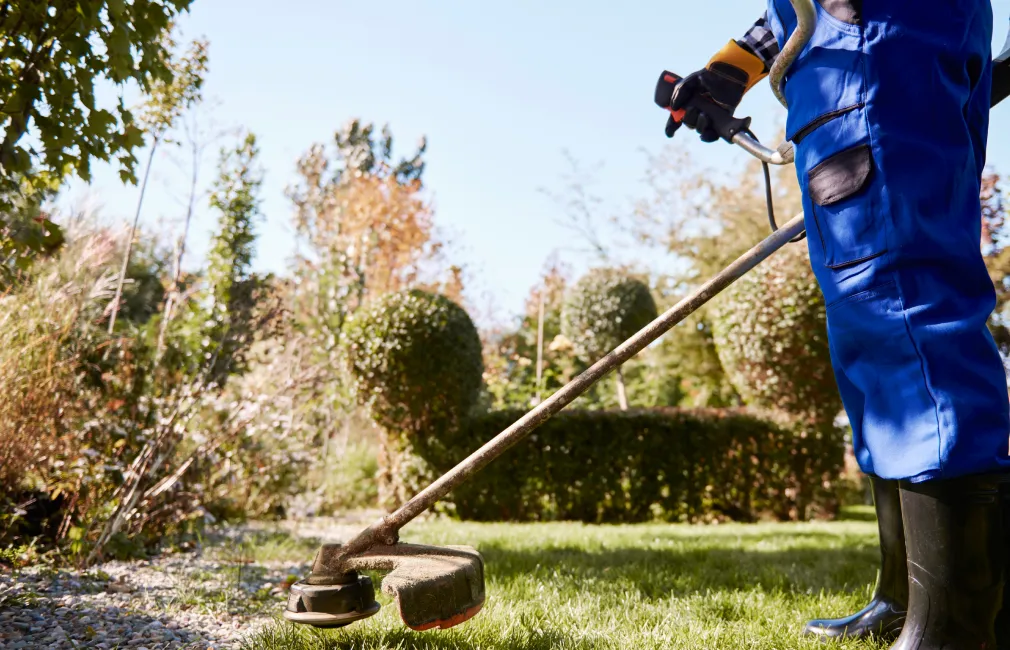
Shrub and Hedge Trimming Waste
-
Leaf Collection Services
-
Garden Debris Pickup
-
Palm Frond Hauling
-
Mulch and Soil Disposal
Our Green Waste Disposal Process
Collection of Green Waste
Sorting and Separation
Transport to Disposal Facility
Eco-Friendly Processing
Why Choose Gilbert Landscape Services
-
Gilbert Homeowners Trust Us
-
Expert Lawn Maintenance
-
Competitive Pricing
-
Professional Team
-
Satisfaction Guarantee
-
Personalized Service
-
Reliable Scheduling
Coordinating Green Waste Disposal Through Gilbert's Public Works Department
Green waste disposal in Gilbert requires coordination with the town's municipal solid waste operations to ensure organic debris is handled in compliance with local collection standards. The Town of Gilbert's Public Works Department manages curbside collection programs, including the handling of yard trimmings, tree branches, grass clippings, and other organic landscape materials. Residents and property managers should verify current bundling requirements, container specifications, and scheduled pickup days directly through the department, as these details may change seasonally or during periods of high demand. Commercial landscape operators generating large volumes of green waste should confirm whether town collection services apply to their accounts or whether private hauling to a licensed transfer station is required.
- Accepted green waste typically includes grass clippings, leaves, small branches, shrub trimmings, and non-treated wood debris
- Materials such as palm fronds, cactus, and thorny vegetation may require special bundling or separate handling
- Mixing green waste with household trash, construction debris, or soil is generally prohibited under municipal collection rules
- Property managers overseeing multiple parcels should coordinate bulk pickup scheduling to avoid right-of-way obstructions
Gilbert Public Works Department
Official Website: Gilbert Public Works Department
How Gilbert's Low-Desert Heat and Monsoons Affect Green Waste Volumes
Gilbert sits within the Phoenix metro low-desert region, classified under USDA Hardiness Zone 9b, where extreme summer temperatures routinely exceed 110°F and monsoon storms arrive between June and September. These conditions directly influence the volume and timing of green waste generation across residential and commercial properties. Bermudagrass lawns produce heavy clipping loads during peak summer growth, while winter overseeded ryegrass generates additional organic material from late fall through spring. Monsoon winds frequently break branches from mesquite, palo verde, and other desert-adapted trees, creating sudden surges of woody debris that must be cleared promptly.
- Alkaline, calcium-carbonate-rich soils common throughout Gilbert slow organic decomposition, meaning piled green waste persists longer on-site than in more temperate climates
- Windblown debris from monsoon events can block curb inlets, retention basin outlets, and neighborhood drainage channels if not removed quickly
- Reflected heat from block walls and concrete hardscape accelerates desiccation of piled vegetation, increasing fire risk during dry months
- Caliche layers beneath many Gilbert subdivisions limit on-site composting options due to poor drainage and restricted root-zone depth
The USDA Plant Hardiness Zone Map confirms Gilbert's placement in Zone 9b, which shapes the plant palette and corresponding waste streams property owners encounter year-round.
Navigating Gilbert's Environmental Compliance Rules for Green Waste Disposal
Green waste disposal in Gilbert is subject to environmental regulations at both the municipal and state level. The town's Environmental Compliance division enforces stormwater drainage mandates that prohibit organic debris from entering the municipal separate storm sewer system (MS4). Under the Clean Water Act and Arizona DEQ Phase II MS4 program, allowing grass clippings, leaves, or woody material to wash into storm drains, retention basins, or flood-control channels constitutes a potential discharge violation. Property owners and landscape contractors must ensure that green waste is contained, covered during transport, and disposed of through approved channels.
- Green waste must not be dumped in washes, arroyos, drainage easements, or vacant lots
- Burning landscape debris is prohibited within Gilbert town limits under air quality regulations
- Commercial haulers transporting green waste should verify that receiving facilities hold appropriate Arizona DEQ stormwater permits
- Properties adjacent to Maricopa County flood-control channels face additional restrictions on debris placement near channel banks
Gilbert Public Works - Environmental Compliance
Official Website: Gilbert Public Works - Environmental Compliance
Gilbert Public Works - Engineering Services Division
Official Website: Gilbert Public Works - Engineering Services Division
Timing and Methods for Professional Green Waste Disposal in Gilbert
Effective green waste disposal in Gilbert depends on aligning removal schedules with the town's seasonal vegetation cycles and weather patterns. The heaviest green waste volumes typically occur during three periods: late spring bermudagrass growth acceleration, post-monsoon storm debris cleanup in August and September, and the ryegrass transition period in late October through November when overseeded lawns are established and old turf is scalped. Professional operators should plan disposal logistics around these peaks to avoid prolonged on-site storage of organic material.
- Cut branches should be trimmed to lengths that comply with the town's bundling or container size requirements, which can be confirmed through Public Works
- Grass clippings left in uncovered piles on driveways or curbs can blow into storm drains during afternoon winds; bagging or containerizing clippings immediately after mowing is standard practice
- Woody debris from mesquite, palo verde, and ironwood should be separated from soft green waste, as many transfer facilities process these materials differently
- Palm frond disposal often requires dedicated handling due to the weight and bulk of individual fronds, particularly from date palms and fan palms common in Gilbert landscapes
- Scheduling green waste removal before forecast monsoon events reduces the risk of debris migration into neighborhood drainage infrastructure
The Arizona Community Tree Council provides resources on proper tree debris management and can connect property owners with certified arborists when storm-damaged trees generate large volumes of woody waste.
What Neighborhoods Do We Serve Throughout Gilbert, AZ?
- Val Vista Lakes — Mature landscaping around lakeside lots generates consistent volumes of leaf litter and tree trimmings, with HOA standards often requiring prompt debris removal from common-area frontages.
- Seville — Established subdivision with irrigated bermudagrass lawns and ornamental trees that produce steady green waste through the active growing season, particularly during summer mowing cycles.
- Agritopia — Mixed-use community with community garden areas and diverse plantings that create varied organic waste streams including vegetable matter, fruit tree prunings, and seasonal flower bed debris.
- Power Ranch — Large master-planned community with extensive common-area landscaping adjacent to retention basins and wash corridors, requiring careful debris management to protect drainage infrastructure.
- Lyons Gate — Newer subdivision where compacted fill soils and young tree canopies produce lighter but increasingly frequent green waste loads as landscapes mature.
- Gilbert Heritage District — Older residential core with established shade trees, including large ash and mulberry specimens, that generate significant leaf drop and periodic limb removal needs.