
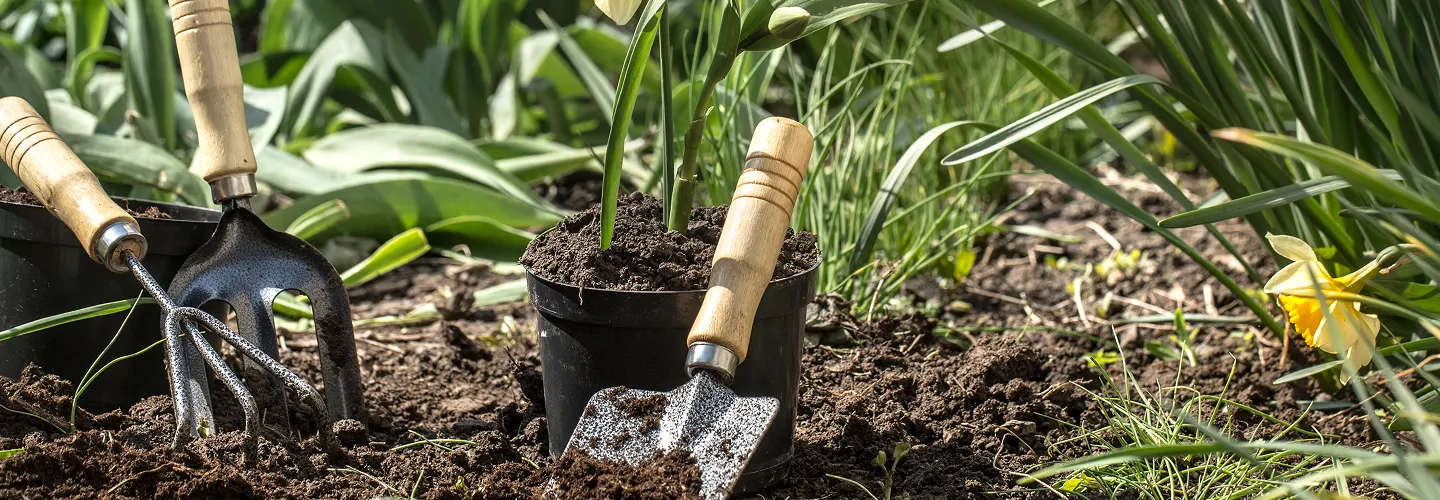
Gilbert Plant Removal Services
Choose our plant removal experts for safe, thorough, and eco-friendly service that restores your landscape’s beauty and health—no mess, no stress.
Get a Free QuoteOur Gilbert Landscaping & Yard Care Services
When to Schedule Plant Removal in Gilbert, Arizona – Seasonal Guide
In Gilbert, Arizona, timing your plant removal is crucial for both the health of your landscape and compliance with local guidelines. The best periods for plant removal typically fall between late winter and early spring, just after the last frost but before the intense summer heat sets in. This window allows for easier root extraction and minimizes stress on surrounding vegetation. Gilbert’s unique climate—marked by hot, dry summers and mild winters—means that soil conditions and plant dormancy cycles differ from other regions. Neighborhoods near Freestone Park or the Agritopia community, for example, often experience microclimates that can affect the ideal removal schedule. Local environmental factors such as drought risk, low humidity, and alkaline soils also play a significant role in determining the best time for these services. For more information on local regulations and environmental considerations, visit the Town of Sudbury’s resource page.
Local Factors to Consider for Plant Removal in Gilbert
- Tree and shrub density in your yard
- Proximity to irrigation systems and water lines
- Soil type (sandy, clay, or loam)
- Recent precipitation and current drought conditions
- Shade coverage from nearby structures or mature trees
- Municipal restrictions or permit requirements
- Accessibility of removal equipment due to terrain or lot layout
Benefits of Plant Removal in Gilbert
Expert Landscaping Services
Efficient Plant Removal
Improved Curb Appeal
Safe and Eco-Friendly Practices
Customized Solutions
Experienced Local Team
Gilbert Plant Removal Types

Tree Removal
-
Shrub Removal
-
Stump Grinding
-
Cactus Removal
-
Palm Tree Removal
-
Root Extraction
-
Invasive Species Removal
Our Plant Removal Process
Site Evaluation
Preparation and Safety Measures
Plant Extraction
Debris Removal
Site Restoration
Why Choose Gilbert Landscape Services
-
Gilbert Homeowners Trust Us
-
Expert Lawn Maintenance
-
Competitive Pricing
-
Professional Team
-
Satisfaction Guarantee
-
Personalized Service
-
Reliable Scheduling
Coordinating Plant Removal Disposal and Green Waste Handling in Gilbert
Plant removal in Gilbert requires coordination with municipal departments that oversee solid waste collection, green waste disposal, and right-of-way maintenance. The Town of Gilbert manages organic debris through its public works operations, and residents should verify current green waste bundling and container requirements before placing removed plant material at the curb. Large-scale plant removal projects—particularly those generating root balls, woody stems, or soil-laden debris—may exceed standard residential collection limits and require separate hauling to an approved transfer facility. Property managers overseeing commercial sites should confirm whether their waste hauler accepts green organics or whether a dedicated disposal route is necessary.
- Confirm accepted green waste materials and container size limits with the town before removal begins
- Separate soil, rock, and root material from organic plant debris for proper disposal routing
- Coordinate bulk pickup scheduling for large removal projects that exceed standard collection volumes
- Keep removed plant material away from curb inlets, drainage channels, and retention basins during staging
Gilbert Public Works Department
Official Website: Gilbert Public Works Department
How Gilbert's Low-Desert Heat and Alkaline Soils Affect Plant Removal
Gilbert sits within USDA Hardiness Zone 9b in the Phoenix metro low-desert region, where summer temperatures routinely exceed 110°F and annual rainfall averages under eight inches. These conditions directly influence plant removal logistics and site stabilization. Soils across much of Gilbert tend toward alkaline sandy loam, often underlain by caliche hardpan at varying depths. Caliche layers can make root extraction significantly more difficult, requiring mechanical equipment rather than hand tools for deeply anchored plants. The USDA Web Soil Survey provides parcel-level soil data that can help anticipate subsurface conditions before work begins.
- Caliche hardpan may require jackhammering or specialized trenching to fully extract root systems
- Alkaline soil pH (commonly 7.5–8.5) can cement calcium carbonate around roots, complicating extraction
- Monsoon season (June through September) generates intense runoff that can erode exposed soil left after plant removal
- Reflected heat from block walls and concrete in subdivision lots accelerates soil drying at removal sites, increasing dust and erosion risk
- Compacted subdivision fill in newer developments may contain imported material that behaves differently than native desert soil during excavation
Exposed ground left after removal should be stabilized promptly with decomposed granite, rock mulch, or replacement plantings to prevent wind erosion and sediment migration into the town's stormwater system.
Navigating Gilbert's Environmental and Stormwater Compliance for Plant Removal
Plant removal activities in Gilbert must account for the town's stormwater management obligations under the Arizona DEQ Phase II MS4 program and the federal Clean Water Act. Disturbed soil, loose root material, and sediment from removal sites can migrate into storm drains, retention basins, and flood-control channels during rain events. Gilbert's Environmental Compliance division enforces local drainage mandates that apply to construction and landscape disturbance activities. If chemical herbicides are used to treat remaining root systems or prevent regrowth, applicators must hold valid credentials through the Arizona Department of Agriculture's licensing program. The Arizona Department of Agriculture noxious weed list should also be consulted when removing invasive species such as buffelgrass or fountain grass, as disposal protocols may differ from standard green waste.
- Prevent loose soil and plant debris from entering storm drains, washes, or retention basins
- Verify that any herbicide application for regrowth prevention is performed by a licensed applicator
- Consult the town's environmental compliance office when removal occurs near drainage corridors or flood-control infrastructure
- Review noxious weed designations before disposing of invasive plant material through standard green waste channels
Gilbert Public Works - Environmental Compliance
Official Website: Gilbert Public Works - Environmental Compliance
Arizona Department of Agriculture
1688 W. Adams Street, Phoenix, AZ 85007
Official Website: Arizona Department of Agriculture - Noxious Weeds
Timing and Methods for Professional Plant Removal in Gilbert's Climate
Scheduling plant removal in Gilbert requires attention to seasonal heat extremes, monsoon storm patterns, and site recovery timelines. Work performed during the cooler months—typically October through March—allows crews to operate more safely and gives exposed soil time to be stabilized before summer heat and monsoon rains arrive. Removing plants during active monsoon season increases the risk of sediment runoff from freshly disturbed ground. Root-zone disturbance should be assessed carefully: shallow-rooted ornamentals may be extracted by hand or with light equipment, while deep-rooted desert trees or large shrubs anchored in caliche often require mechanical extraction. The Arizona Department of Water Resources landscaping guidance encourages property owners to consider drought-adapted replacements when removing plants, particularly in areas served by municipal water systems operating under active management plans.
- Schedule removal during cooler months to reduce heat-related crew risk and allow site stabilization before monsoon season
- Assess root depth and caliche presence before selecting extraction methods
- Backfill excavation voids with clean fill material and compact to prevent settlement
- Apply temporary erosion control—such as staked wattle or gravel cover—on slopes or near drainage features
- Plan replacement plantings or hardscape stabilization promptly to prevent long-term soil exposure
What Neighborhoods Do We Serve Throughout Gilbert, AZ?
- Val Vista Lakes — Mature landscaping around lakeside lots often requires careful plant removal near irrigation infrastructure and HOA-regulated common areas, with attention to root systems interacting with high water tables.
- Agritopia — This mixed-use community features dense plantings and urban farm-adjacent lots where plant removal must account for close spacing, shared irrigation lines, and organic growing standards in neighboring parcels.
- Power Ranch — Large master-planned lots with desert-adapted landscaping and wash-adjacent properties require erosion control measures when removing established plants near flood-control channels.
- Seville — Newer subdivision fill soils and compact lot configurations in this community demand equipment access planning and careful debris staging to avoid blocking shared driveways and sidewalks.
- Higley Groves — Older agricultural-heritage lots may contain deep-rooted trees and legacy irrigation systems that complicate extraction and require coordination with utility locates before excavation.
- Lyons Gate — Properties bordering retention basins and community parks need sediment control during plant removal to protect shared drainage infrastructure and maintain stormwater compliance.